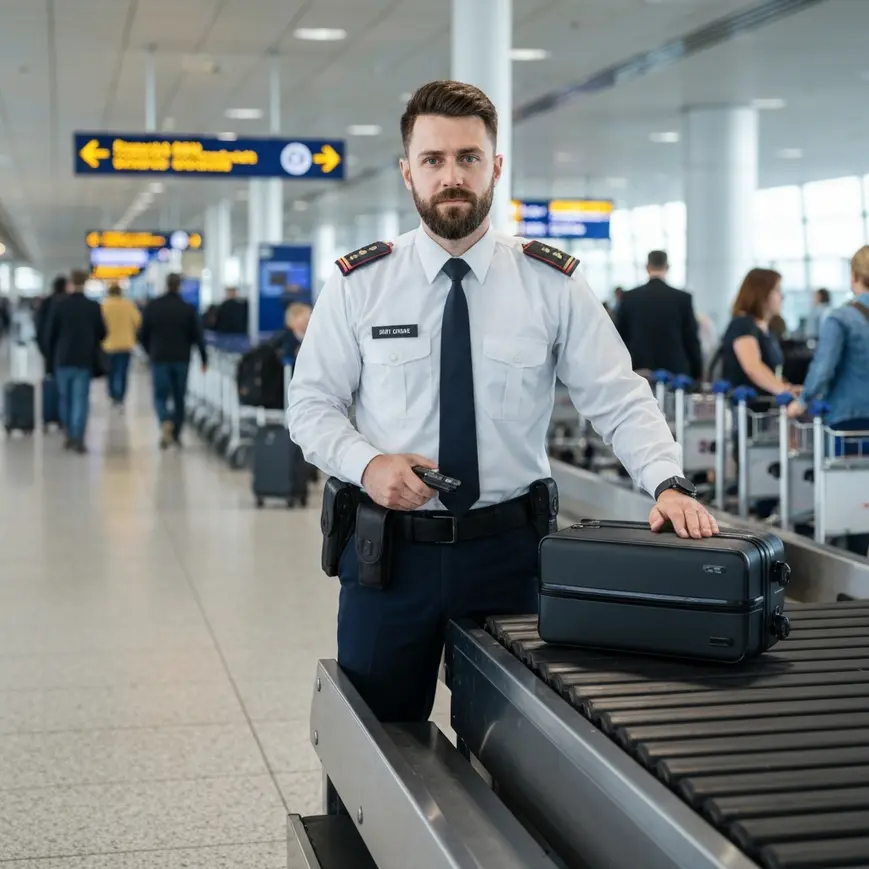
TL;DR: Border Force has issued a summer 2026 warning urging young travellers to remain vigilant against criminal gangs attempting to recruit them as drug mules. Expert officers outline how criminals operate, what warning signs to look for, and the serious legal consequences — including imprisonment and immigration bans — that follow a drug smuggling conviction.
Introduction: A Summer Warning From the Front Line
As millions of young people prepare to travel abroad during the summer holiday season, the Home Office’s Border Force has issued an urgent public warning: criminal gangs are actively targeting young travellers and attempting to recruit them as unwitting or coerced drug smugglers. Published on 17 July 2026, the official gov.uk announcement — titled ‘Border Force: don’t let drug smugglers steal your future’ — brings together expert Border Force officers to highlight the tactics used by organised crime networks and to help young people recognise and resist criminal approaches before it is too late.
The Border Force drug smuggling warning comes at a time when summer travel volumes are at their highest, creating what enforcement officials describe as an increased window of opportunity for criminal recruiters. Officers stress that the consequences of being caught carrying controlled drugs across an international border are severe, life-altering, and permanent — affecting not only criminal records but also future visa eligibility, employment prospects, and educational opportunities. The announcement forms part of a broader Home Office effort to protect vulnerable young people from exploitation by organised crime.
What Is the Border Force Drug Smuggling Warning?
The Border Force drug smuggling warning is an official Home Office public awareness campaign alerting young travellers — and those responsible for their welfare — to the methods criminal networks use to recruit individuals to carry illegal drugs across international borders. Border Force expert officers outline common recruitment tactics, describe the legal penalties smugglers face upon detection, and provide guidance on reporting suspicious approaches. The campaign is specifically timed to coincide with peak summer travel.
How Do Criminal Gangs Recruit Young Travellers?
According to the updated guidance published on gov.uk, criminal gangs use a range of sophisticated and often subtle tactics to recruit young people into drug smuggling operations. Understanding these methods is a critical first line of defence.
Common Recruitment Tactics
Officials highlight several recurring approaches used by criminal networks:
- Romantic or social manipulation: Criminals may pose as romantic partners, new friends, or social contacts — sometimes online — building trust before asking a young person to carry a package or bag across a border ‘as a favour’.
- Financial inducements: Young travellers facing financial pressures may be offered seemingly easy money in exchange for transporting luggage or packages. Officers note that offers that appear disproportionately generous for a simple task are a significant red flag.
- Coercion and threats: In some cases, individuals are threatened or blackmailed into carrying drugs after becoming entangled with criminal networks, removing what initially appeared to be a voluntary choice.
- The ‘just a package’ approach: Recruiters frequently minimise the risk by describing the contents of luggage as harmless — gifts, personal items, or goods for a family member — when in reality the packages contain controlled substances.
Key warning sign: If an individual is offered money, gifts, or travel expenses to carry luggage across a border on someone else’s behalf, this is a primary indicator of drug mule recruitment, according to Border Force officers.
Why Young Travellers Are Specifically Targeted
Border Force experts note that young people travelling during the summer holidays are particularly attractive to criminal recruiters for several reasons. They may be travelling alone for the first time, are more likely to be open to new social connections, may be more susceptible to financial incentives, and are less likely to be familiar with the legal consequences of drug importation offences. Criminal networks are well aware of these vulnerabilities and exploit them deliberately.
What Are the Legal Consequences of Drug Smuggling?
The Home Office is unequivocal in the guidance: the consequences of being caught smuggling drugs across international borders are severe and long-lasting.
Criminal Penalties in the UK
Under UK law, importing controlled drugs is a serious criminal offence. The penalties vary depending on the classification of the drug involved but can include:
Up to life imprisonment for Class A drug importation offences under the Misuse of Drugs Act 1971.
Class B and Class C offences also carry substantial custodial sentences. Even first-time offenders caught carrying significant quantities of controlled drugs face the realistic prospect of imprisonment.
International Consequences
For those caught abroad, the consequences may be even more immediate and severe. Many countries impose mandatory minimum sentences for drug trafficking that are far harsher than those in the UK. Young British nationals have in the past faced decades-long prison sentences in foreign jurisdictions with limited consular assistance available.
Immigration and Visa Implications
A drug smuggling conviction carries significant long-term immigration consequences. Individuals with serious criminal convictions — including drug importation offences — face mandatory refusal of future UK visa applications and may be subject to deportation if they are non-British nationals resident in the UK. Non-UK nationals convicted of drug smuggling at the UK border face both criminal prosecution and immigration enforcement action, potentially including detention and removal. Future travel to the United States, Canada, Australia, and many other countries is also severely restricted or permanently barred following drug trafficking convictions.
Why Does the Border Force Drug Smuggling Warning Matter for Families and Sponsors?
Whilst the primary audience for this campaign is young travellers themselves, the implications extend to families, educational institutions, and those who sponsor young people’s travel and study abroad.
Implications for Families and Guardians
Parents, guardians, and family members are encouraged by Border Force to have open conversations with young people before international travel. The campaign materials highlight that awareness is the most effective tool against recruitment. Families should ensure young travellers understand that:
- No legitimate request ever involves carrying unknown items across an international border on a stranger’s behalf.
- Romantic or online relationships that quickly move towards requests involving travel or luggage are a recognised criminal pattern.
- If a young person feels pressured or threatened, they should report this immediately to local police or contact the UK’s National Crime Agency.
Implications for Educational Institutions and Travel Sponsors
Universities, colleges, schools, and youth travel organisations operating summer programmes have a responsibility to brief participants on Border Force guidance before departure. Institutions sponsoring group travel abroad — whether for academic, cultural, or recreational purposes — should incorporate awareness of drug mule recruitment into pre-departure safeguarding briefings. A criminal conviction arising from a drug smuggling incident will in most cases terminate a student’s visa, result in expulsion, and permanently affect graduate employment prospects.
Reporting Suspicious Approaches: Official Channels
Border Force and the Home Office urge anyone who has been approached by individuals attempting to recruit them — or others — for drug smuggling to report this immediately through official channels. In the UK, this includes contacting:
- Crimestoppers (anonymously) on 0800 555 111
- The National Crime Agency via its public reporting portal
- Local police via 101 (or 999 in an emergency)
Individuals travelling abroad who feel under pressure or threatened should contact the nearest British Embassy or High Commission.
Frequently Asked Questions
Q: What should a young traveller do if approached by someone asking them to carry a bag across a border? A: Border Force guidance is clear: individuals should refuse the request, remove themselves from the situation, and report the approach to police or Crimestoppers as soon as it is safe to do so. Carrying luggage on behalf of a third party — regardless of what it is claimed to contain — exposes a traveller to serious criminal liability if controlled substances are found.
Q: Can someone be prosecuted even if they claim they did not know drugs were in their luggage? A: Yes. UK courts and courts in many foreign jurisdictions can and do prosecute individuals who claim ignorance, particularly where the circumstances of the arrangement were suspicious. The legal defence of not knowing what a bag contained is difficult to establish and does not guarantee acquittal.
Q: How does a drug smuggling conviction affect a UK visa or immigration status? A: Under UK immigration rules, a serious criminal conviction — including drug importation offences — results in mandatory refusal of future visa applications and may trigger deportation proceedings for non-British nationals. The conviction remains on an individual’s criminal record and is routinely disclosed in immigration and employment checks.
Q: Are drug smuggling criminal gangs only active in certain countries or airports? A: No. Border Force officers emphasise that criminal recruitment networks operate globally, including within the UK, Europe, and popular holiday destinations. The risk is not confined to any single country or route.
Q: Where can young travellers or their families find more information about the Border Force warning? A: The full official guidance and campaign materials are available on the Home Office’s gov.uk news page. Families and institutions are encouraged to consult the official source directly for the most current information.
Key Takeaways
- Border Force has issued an official summer 2026 warning about criminal gangs recruiting young travellers as drug mules, timed to coincide with peak holiday travel.
- Common recruitment tactics include financial inducements, romantic manipulation, online grooming, and coercion — all designed to make carrying drugs appear low-risk or harmless.
- Drug importation offences carry penalties of up to life imprisonment in the UK, with potentially harsher sentences in foreign jurisdictions.
- A drug smuggling conviction has permanent consequences for immigration status, future visa applications, and employment — affecting British and non-British nationals alike.
- Suspicious approaches should be reported immediately to Crimestoppers, the National Crime Agency, or local police.
Conclusion
The Border Force drug smuggling warning published in July 2026 serves as a timely and important reminder that organised crime does not take a summer holiday. Criminal networks actively exploit the summer travel season to recruit young people who may be unaware of the tactics being used against them. The Home Office’s message is unambiguous: the consequences of being caught — whether at a UK port of entry or at a foreign border — are severe, permanent, and life-changing. Awareness, vigilance, and prompt reporting remain the most effective tools available to protect young travellers during the summer season and beyond.