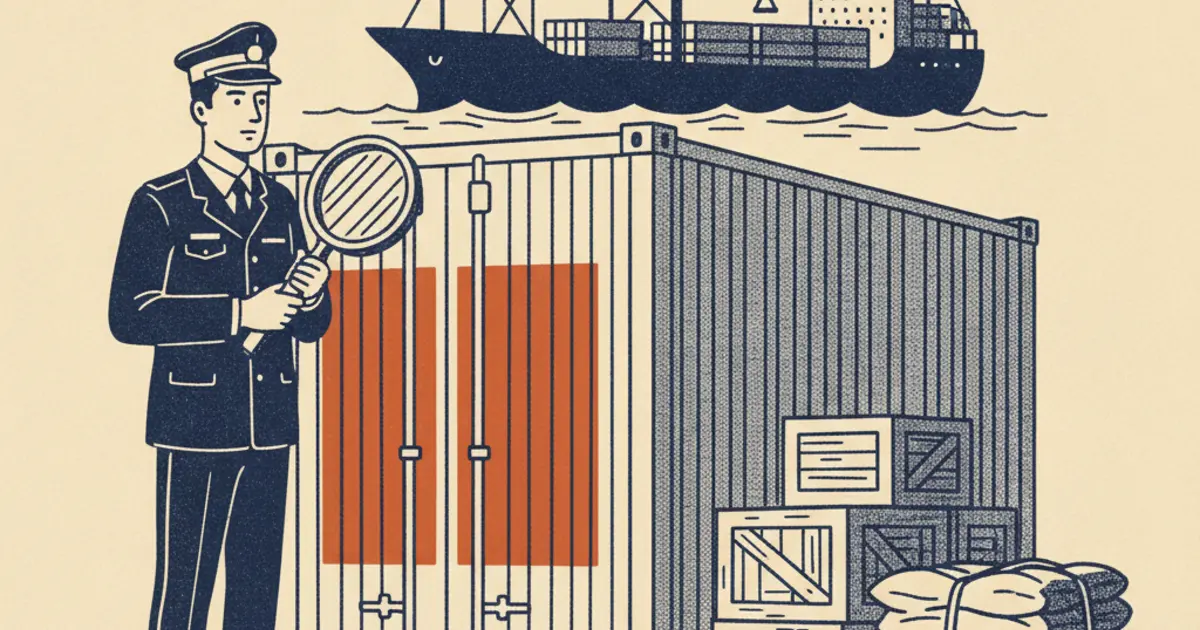
TL;DR: Border Force seized a record 1,298kg of ketamine in the first quarter of 2026, marking the highest quarterly total in 15 years. The figures highlight intensified enforcement activity at UK ports and airports, with implications for freight operators, travellers and international students moving through UK borders.
Introduction
Ketamine seizures reach a 15 year high, according to newly published Home Office figures covering the first three months of 2026. Border Force officers intercepted 1,298kg of the drug between January and March 2026, surpassing any quarterly total recorded over the previous 15 years. The data, published on 28 August 2026, reflects a marked escalation in both the volume of ketamine entering the United Kingdom and the scale of enforcement activity directed at stopping it.
The announcement forms part of the Home Office’s ongoing reporting on Border Force operational performance and drug interdiction efforts. While the figures relate primarily to criminal enforcement rather than immigration control, the scale of the seizures has direct relevance for anyone crossing the UK border, including international students, workers and visitors, as they signal heightened scrutiny at ports, airports and freight terminals nationwide.
This article examines what the record ketamine seizure figures mean, the mechanisms behind the increase, and the practical implications for those travelling to or through the UK in the months ahead.
What Are the Ketamine Seizures Reaching a 15 Year High?
The phrase refers to Home Office and Border Force data showing that ketamine seizures reach 15 year high levels, with 1,298kg intercepted in the first quarter of 2026 alone. This is the largest three-month total recorded since comparable records began 15 years earlier. The seizures span multiple points of entry, including maritime freight, air cargo and postal channels, reflecting a broad-based increase in ketamine trafficking attempts rather than a single incident or route.
Deep Dive: What the Data Shows
Scale and Distribution of Seizures
According to the published figures, the 1,298kg total for January to March 2026 represents a substantial rise compared with equivalent quarters in previous years. Border Force has attributed the increase to a combination of higher trafficking volumes and improved detection capability at key entry points.
Key figure: 1,298kg of ketamine seized in Q1 2026 — the highest quarterly total in 15 years.
The seizures were recorded across a range of methods, including concealment within commercial freight, personal luggage and postal parcels. Officers used a combination of intelligence-led targeting, scanning technology and physical searches to identify consignments.
Why Does This Increase Matter?
The scale of the rise matters for several reasons. First, it indicates growing demand for ketamine within UK markets, prompting traffickers to attempt larger and more frequent shipments. Second, it demonstrates the effectiveness of enhanced detection measures introduced at ports and airports in recent years. Third, it signals to travellers and freight operators that enforcement activity at the border is intensifying, with knock-on effects for processing times and inspection rates.
According to the Home Office, the increase in seizures reflects both a rise in attempted trafficking and improved operational capability. The department has indicated that Border Force will continue to prioritise resources toward high-risk routes identified through this data.
Enforcement Response and Operational Priorities
Border Force has confirmed that resources are being directed toward routes and methods most closely associated with ketamine trafficking, informed directly by the seizure data. This includes targeted checks on freight arriving from specific international routes and enhanced scrutiny of postal and courier consignments.
The Home Office states that enforcement activity will remain focused on disrupting supply chains identified through the record seizure figures.
This operational focus is expected to continue through the remainder of 2026, with officials reviewing seizure trends on a rolling basis to adjust targeting priorities.
Implications for Affected Individuals
While the ketamine seizure figures relate to criminal enforcement rather than immigration status, they carry practical implications for individuals crossing the UK border. Increased scrutiny at ports and airports may result in longer processing times for some travellers, particularly those arriving from routes identified as higher risk for trafficking activity. International students, workers and visitors transporting parcels, packages or freight consignments as part of relocation to the UK may experience additional checks.
Employers and sponsors coordinating the arrival of overseas staff, particularly where goods or equipment are shipped separately, should note that heightened Border Force activity may affect freight clearance timelines. Individuals are not personally implicated by the seizure data unless directly involved in trafficking offences; however, general awareness of increased border scrutiny is relevant for anyone planning international travel or freight movements into the UK during this period.
Frequently Asked Questions
Q: What does it mean that ketamine seizures reach a 15 year high? A: It means Border Force recorded the largest quarterly seizure of ketamine in 15 years, totalling 1,298kg between January and March 2026, according to Home Office figures published in August 2026.
Q: Does the rise in ketamine seizures affect UK visa applicants? A: The figures relate to criminal enforcement rather than immigration eligibility. However, increased border scrutiny linked to enforcement activity may result in additional checks for some travellers and freight shipments.
Q: Why have ketamine seizures increased so significantly? A: According to the Home Office, the rise reflects both greater trafficking activity and improved detection capability, including intelligence-led targeting and enhanced scanning technology at ports and airports.
Q: Which UK entry points are most affected by increased ketamine seizures? A: The data indicates seizures across multiple channels, including maritime freight, air cargo and postal consignments, rather than being concentrated at a single port or airport.
Q: Will border checks remain elevated following the record seizures? A: The Home Office has indicated that Border Force will continue prioritising resources toward routes and methods identified through the seizure data, suggesting sustained enforcement focus in the near term.
Key Takeaways
- Border Force seized a record 1,298kg of ketamine in Q1 2026, the highest quarterly total in 15 years.
- The figures were published by the Home Office on 28 August 2026.
- Seizures were recorded across freight, luggage and postal channels.
- Enforcement resources are being directed toward high-risk routes identified through the data.
- Travellers and freight operators may experience increased scrutiny at UK ports and airports as a result.
Conclusion
The confirmation that ketamine seizures reach a 15 year high underscores a significant shift in both trafficking activity and Border Force enforcement capability at the UK border. With 1,298kg intercepted in the first quarter of 2026 alone, the figures represent a substantial escalation compared with previous years. While the data centres on criminal enforcement, its practical effects extend to travellers, freight operators and sponsors managing international logistics, all of whom may encounter heightened scrutiny as Border Force continues to prioritise resources based on these findings.