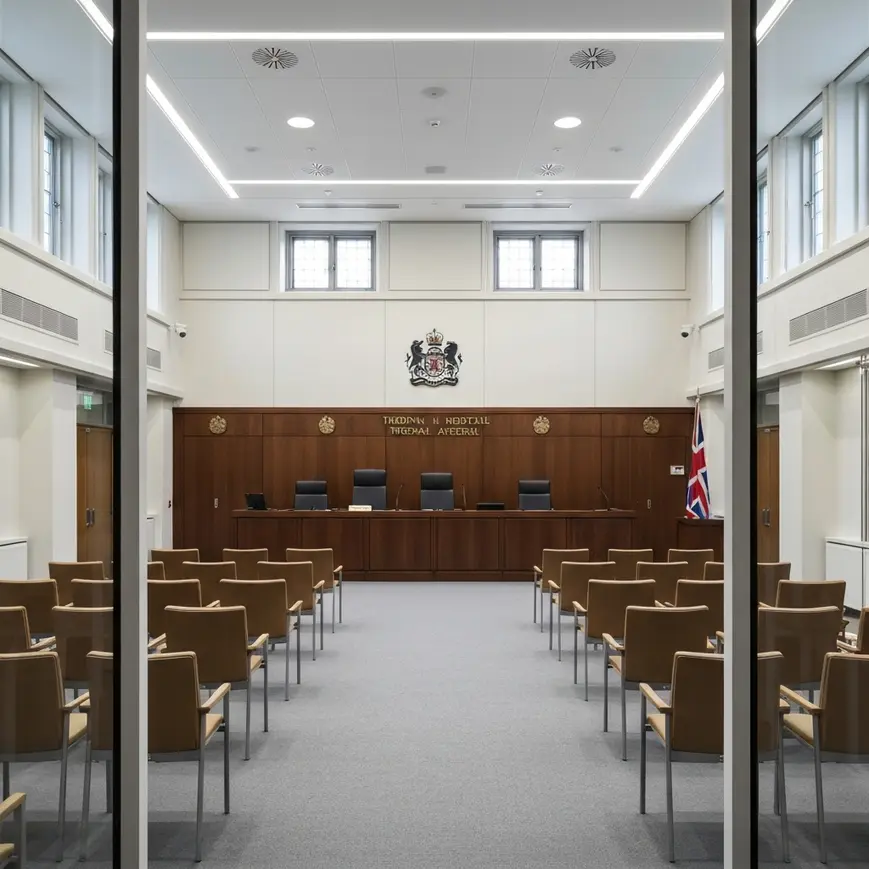
TL;DR: The UK government has announced a new independent appeals body designed to speed up removals of foreign criminals and failed asylum seekers. The reform aims to reduce delays in the removals process caused by lengthy legal challenges, strengthening UK Immigration Enforcement’s ability to act swiftly.
Introduction
On 30 June 2026, the UK government unveiled plans for a new independent appeals body to speed up removals of foreign criminals and failed asylum seekers — a significant structural reform to the country’s immigration enforcement architecture. The announcement marks one of the most notable shifts in immigration appeals governance in recent years, signalling the government’s intent to close legal loopholes that have historically prolonged the removal process.
The new independent appeals body to speed up removals is designed to sit outside the existing tribunal system, providing a dedicated, streamlined mechanism for challenging removal decisions. According to the official gov.uk announcement, the reform targets delays caused by repeated and late-stage legal interventions that have, in some cases, enabled individuals to remain in the UK for years beyond the point at which their removal was lawfully ordered.
For those monitoring UK Immigration Enforcement activity, employer right to work obligations, and the broader landscape of UK family visa and UK dependant visa routes, understanding the structural changes to the removals and appeals process is essential. This reform has implications not only for those subject to removal, but also for the wider integrity of the UK immigration system.
What Is the New Independent Appeals Body to Speed Up Removals?
The new independent appeals body to speed up removals is a proposed specialist body, independent of the existing Immigration Tribunal structure, established to hear appeals from foreign nationals facing removal — specifically foreign criminals and individuals whose asylum claims have failed. Rather than routing such appeals through the standard tribunal courts, the new body is intended to operate with greater speed, procedural efficiency, and focus. According to the Home Office, the aim is to reduce the time between a removal decision being made and that decision being carried out, whilst preserving the right to a fair and independent hearing.
Why Is the Government Creating a New Appeals Body?
The Problem With Current Removal Timelines
The existing immigration appeals system has long been criticised for enabling prolonged delays in the removal of individuals with no lawful right to remain in the UK. Foreign nationals ordered to leave — including those who have committed serious criminal offences and those whose asylum claims have been fully determined and refused — have in many cases been able to remain in the UK for extended periods whilst legal challenges work their way through the courts.
According to the updated government guidance, these delays are not simply the result of legitimate legal complexity. Late-stage injunctions, repeated appeals on human rights grounds, and procedural bottlenecks within the existing tribunal system have all contributed to a backlog that undermines the credibility of UK Immigration Enforcement.
The Home Office states that the new independent appeals body is intended to address these structural weaknesses directly, by creating a dedicated route that is both faster and more focused in its scope.
What the Reform Is Designed to Achieve
The core objective of the new independent appeals body to speed up removals is to ensure that individuals who have exhausted all legitimate legal avenues can be removed promptly, without further delay introduced through procedural manoeuvring. The government has been clear that the body will remain genuinely independent — it is not a mechanism to remove appeal rights, but rather to make the exercise of those rights more efficient and time-bound.
Key policy objective: The new body is designed to ensure removal decisions are heard and concluded within defined timeframes, reducing the window for repeated challenges that have historically stalled UK Immigration Enforcement operations.
The announcement follows a broader pattern of government reform aimed at restoring public confidence in immigration control, including previous measures targeting illegal working, sham marriages, and abuse of the UK family visa and UK dependant visa routes.
How Will the New Body Operate?
Structure and Independence
Whilst the full legislative detail is subject to parliamentary process, the government has indicated that the new body will operate with a panel of independent decision-makers, separate from the existing First-tier Tribunal (Immigration and Asylum Chamber). Cases will be allocated to the body based on their category — principally those involving foreign national offenders and refused asylum seekers — rather than going through the general immigration appeals queue.
The independence of the body is a central design principle. The Home Office has emphasised that the new mechanism will not compromise fairness or Article 6 rights, but will impose stricter time limits on the submission and determination of appeals, and will limit the scope for repetitive challenges on grounds that have already been considered and dismissed.
Categories of Cases in Scope
Based on the government’s announcement, the new independent appeals body to speed up removals will focus on two primary categories:
- Foreign national offenders — individuals who have been convicted of criminal offences and are subject to deportation orders under the UK Borders Act 2007.
- Failed asylum seekers — individuals whose claims for international protection have been fully determined and refused, including those who have exhausted appeal rights within the asylum system.
The body is not intended to replace the full immigration tribunal system for other categories of immigration decision. Routes such as the UK family visa, UK dependant visa, and skilled worker applications will continue to be handled through existing appeal mechanisms where applicable.
Timeline for Implementation
The government announced the reform on 30 June 2026. Full implementation will depend on the passage of primary or secondary legislation. Stakeholders in the immigration sector are advised to monitor future Home Office guidance and parliamentary updates for confirmed commencement dates.
Note: Until the new body is formally established through legislation, existing appeal routes remain in force. No changes to current procedures have been confirmed as immediately operative.
Implications for UK Immigration Enforcement and the Broader System
The creation of a dedicated appeals body represents a structural intervention in the UK Immigration Enforcement framework. By separating high-volume, high-complexity removal cases from the general tribunal caseload, the reform is expected to reduce pressure on the wider First-tier Tribunal system, potentially improving processing times for other categories of immigration appeal — including those relating to the UK family visa and UK dependant visa routes.
UK Immigration Enforcement officers and caseworkers are likely to benefit from clearer procedural pathways when progressing removal cases. The new body should, in theory, reduce the incidence of last-minute injunctions and stalled operations that have previously required significant resource to manage.
For employers monitoring their right to work UK obligations, the reform is a relevant development insofar as it signals the government’s continued commitment to robust immigration enforcement. A more efficient removals system reinforces the expectation that individuals without lawful status will be identified and removed, increasing the importance of thorough right to work UK checks by employers at the point of recruitment and throughout employment.
Implications for Affected Individuals
For individuals who are foreign nationals subject to a deportation order or a refused asylum determination, the establishment of the new independent appeals body to speed up removals means that appeal timelines are likely to become more compressed. Those with legitimate grounds for appeal will still have access to an independent hearing, but the window for challenge is expected to be shorter and more tightly defined.
Individuals in these categories — and those advising them through regulated immigration channels — should be aware that the reform is intended to reduce the viability of delay-based legal strategies. Grounds of appeal will need to be substantive and clearly articulated from the outset.
Persons on UK family visa or UK dependant visa routes who have no criminal convictions and no asylum history are not the primary target of this reform, but may be indirectly affected if the new body’s creation leads to wider tribunal reform over time.
Frequently Asked Questions
Q: What is the new independent appeals body announced by the UK government in June 2026? A: The new independent appeals body is a proposed specialist tribunal, separate from the existing Immigration and Asylum Chamber, designed to hear appeals from foreign criminals and failed asylum seekers subject to removal. Its primary purpose is to speed up the removals process by imposing tighter procedural timeframes.
Q: Will the new appeals body remove the right to appeal a removal decision? A: According to the Home Office, the new body will not remove appeal rights. It is designed to make the appeal process faster and more focused, not to eliminate independent scrutiny of removal decisions.
Q: Does this reform affect UK family visa or UK dependant visa holders? A: The reform is specifically targeted at foreign national offenders and failed asylum seekers. UK family visa and UK dependant visa holders without criminal convictions or refused asylum claims are not the primary focus of this body, though broader tribunal efficiency improvements may have indirect effects.
Q: When will the new independent appeals body come into effect? A: The announcement was made on 30 June 2026. Full implementation depends on the passage of legislation. No confirmed commencement date has been published at this stage.
Q: How does this reform relate to right to work UK checks for employers? A: Whilst the reform is not directly about right to work UK compliance, it reinforces the government’s broader immigration enforcement priorities. Employers should continue conducting thorough right to work UK checks, as a more efficient removals system underscores the expectation that unlawful working will be identified and addressed.
Key Takeaways
- The UK government announced plans on 30 June 2026 to establish a new independent appeals body to speed up removals of foreign criminals and failed asylum seekers.
- The body will operate separately from the existing First-tier Tribunal system, with tighter procedural timeframes for appeals.
- The reform does not abolish appeal rights — it is designed to make the appeals process faster and more efficient.
- UK family visa and UK dependant visa holders are not the direct focus of this reform, which targets foreign national offenders and refused asylum seekers.
- Full implementation is subject to legislation; employers and immigration practitioners should monitor official Home Office guidance for confirmed commencement details.
Conclusion
The announcement of a new independent appeals body to speed up removals represents a substantive shift in how the UK government intends to manage the removals process for foreign criminals and failed asylum seekers. By creating a dedicated, streamlined mechanism outside the existing tribunal structure, the Home Office is seeking to address longstanding criticisms of delays that have undermined UK Immigration Enforcement. Whilst the full legislative and operational detail remains forthcoming, the reform signals a clear policy direction: faster, fairer, and more definitive outcomes in removal cases, with reduced scope for procedural delay.