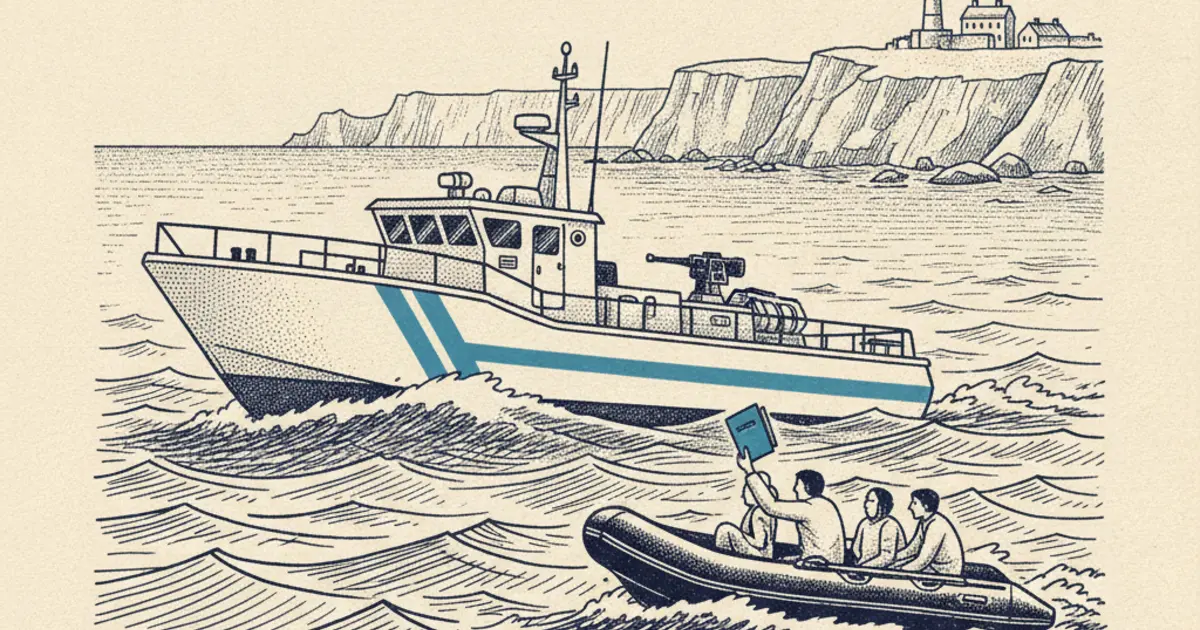
TL;DR: French authorities prevented 185 small boat crossing attempts and stopped roughly 4,300 migrants reaching the UK in the first three months of a new UK-France operational agreement, according to gov.uk figures published 21 August 2026.
Introduction
France prevents 185 boats and 4,300 migrants reaching UK shores, according to figures released by the Home Office covering the first three months of an enhanced UK-France enforcement arrangement. The statistics, published on gov.uk on 21 August 2026, mark one of the most significant operational updates on Channel crossings since the two countries strengthened joint maritime and coastal policing measures. The data illustrates the scale of French police activity along the northern coastline, where small boat departures have long posed a persistent challenge for both governments. The announcement forms part of ongoing reporting on the UK-France agreement designed to disrupt smuggling networks and reduce dangerous crossings of the English Channel. According to the Home Office, the figures reflect direct interventions by French police units rather than incidents occurring within UK territorial waters, underscoring the preventative focus of the deal.
What is the UK-France Deal on Channel Crossings?
The UK-France deal is an operational and funding agreement under which French police units, including maritime and coastal enforcement teams, work to intercept small boats and prevent migrants from launching crossings toward the UK before they reach open water. It forms part of a wider bilateral strategy targeting people-smuggling networks operating along the northern French coast. The arrangement includes intelligence-sharing, joint patrols, and enhanced surveillance technology. Announced figures such as the 185 prevented boats and 4,300 migrants are used by both governments to measure the practical impact of the agreement on reducing dangerous Channel crossings.
Deep Dive: What the Figures Show
Scale of French Police Interventions
According to the published figures, French police units prevented 185 separate small boat crossing events during the first three months of the new agreement. Each prevented event potentially represents multiple individuals being stopped before boarding overcrowded and often unseaworthy vessels. The Home Office states that approximately 4,300 migrants were prevented from attempting the crossing as a direct result of these interventions. This represents a substantial operational tempo, averaging more than two prevented crossing attempts per day across the reporting period.
Why Does This Change Matter?
The significance of these figures lies in their framing as evidence of the new deal’s early effectiveness. Previous cooperation between the UK and France has faced criticism over inconsistent enforcement and legal restrictions preventing French officers from intervening once boats enter the water. The current data suggests a shift toward more proactive prevention on French beaches and coastal access points, rather than reactive rescue operations once boats are already at sea.
The Home Office states that 185 boats and around 4,300 migrants were prevented from reaching UK shores during the first three months of the enhanced UK-France operational agreement.
Legal and Operational Framework Behind the Deal
The agreement builds on existing bilateral treaties governing Channel security, including funding commitments from the UK toward French policing capacity, equipment, and personnel. Officials note that changes to French rules of engagement, allowing officers greater scope to intervene in shallow coastal waters, have been central to the increase in prevented crossings. These operational adjustments are distinct from asylum or visa policy changes and instead focus on frontline enforcement before migrants reach UK jurisdiction.
Timing and Reporting Period
The figures cover a defined three-month window following the introduction of the new deal, with the Home Office indicating that further quarterly updates are expected. This reporting cadence allows both governments to track trends in crossing attempts, smuggling activity, and the comparative effectiveness of enforcement measures over time.
Implications for Affected Individuals
For migrants and asylum seekers considering Channel crossings, the enhanced French enforcement presence signals a materially higher likelihood of interception before departure. This has knock-on effects for individuals already in northern France awaiting crossing opportunities, potentially prolonging time spent in informal camps or reliance on smuggling networks. For UK-based organisations, charities, and legal representatives supporting asylum seekers, the figures may inform casework planning and expectations around client movements. The data does not alter UK asylum law or entitlements for those who do reach UK shores; it solely reflects preventative activity occurring on French territory before any UK immigration process would begin.
Frequently Asked Questions
Q: What does ‘France prevents 185 boats and 4,300 migrants’ actually mean? A: It means French police units stopped 185 attempted small boat launches and prevented approximately 4,300 individuals from boarding those boats during the first three months of a new UK-France enforcement agreement, according to Home Office figures.
Q: Does this change UK asylum or visa rules? A: No. The figures relate to French coastal enforcement activity and do not alter UK asylum law, visa routes, or immigration status for individuals already in the UK.
Q: Why is France intervening before boats reach UK waters? A: The new UK-France deal expands French police powers and resources to intercept crossings at the point of departure, aiming to prevent dangerous journeys and disrupt smuggling networks rather than relying solely on at-sea rescue.
Q: How reliable are the 185 boats and 4,300 migrants figures? A: The figures were published by the Home Office on gov.uk as part of official reporting on the UK-France operational agreement, based on data supplied by French police and maritime authorities.
Q: Will there be further updates on Channel crossing prevention figures? A: The Home Office has indicated that further reporting is expected as the UK-France agreement continues, with quarterly data likely to track ongoing enforcement outcomes.
Key Takeaways
- French police units prevented 185 small boat crossing events in the first three months of a new UK-France operational agreement.
- Approximately 4,300 migrants were stopped from attempting the crossing during this period, according to Home Office figures.
- The deal focuses on proactive coastal interception rather than at-sea rescue operations.
- The figures do not change UK asylum or visa law but reflect preventative enforcement activity in France.
- Further quarterly reporting on crossing prevention outcomes is expected as the agreement continues.
Conclusion
The figures showing that France prevents 185 boats and 4,300 migrants reaching UK shores mark an early data point in the ongoing UK-France effort to curb dangerous Channel crossings. Published by the Home Office on 21 August 2026, the statistics highlight expanded French coastal enforcement powers and closer bilateral cooperation. While the figures do not alter UK immigration or asylum law, they offer a measurable indicator of the new agreement’s operational impact, with further updates expected as both governments continue monitoring crossing trends and smuggling activity along the French coastline.