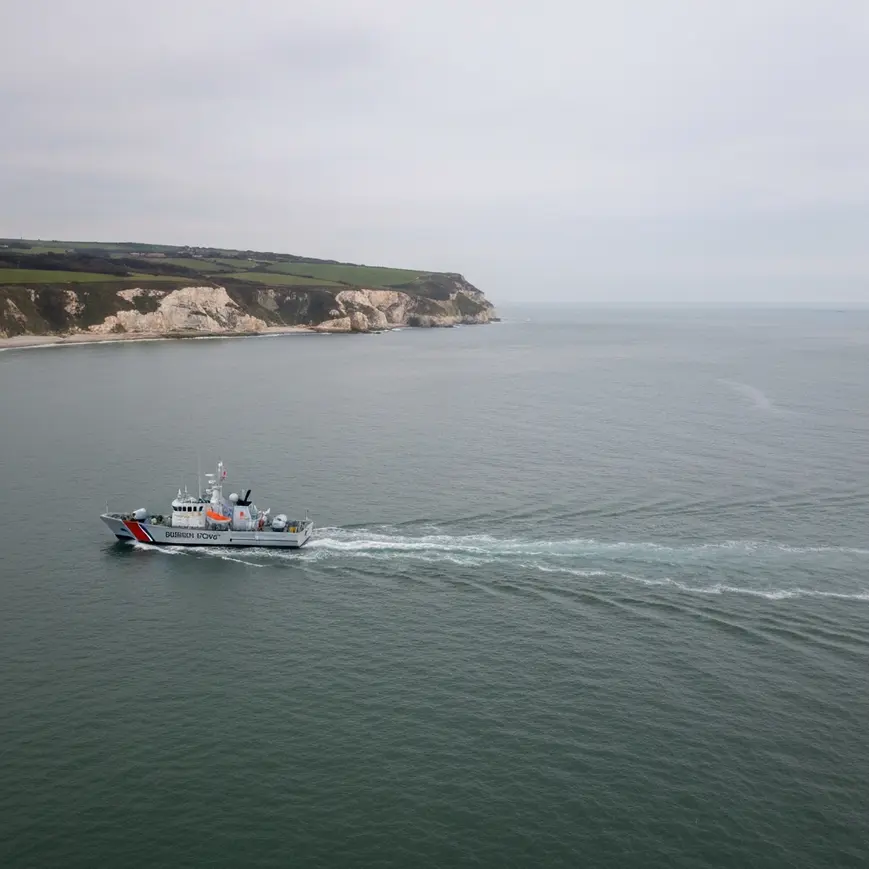
TL;DR: The Home Office publishes regular official statistics on small boat crossings in the English Channel, recording both the number of migrants detected arriving on UK shores and those intercepted by French authorities before crossing. This data is central to UK immigration policy and public debate.
Introduction: Tracking Small Boat Activity Across the English Channel
Small boat crossings in the English Channel remain one of the most closely monitored aspects of UK immigration policy. The Home Office publishes official, regularly updated statistics detailing the number of migrants detected making the crossing from France to the United Kingdom, as well as those prevented from crossing by French authorities. Published on 25 July 2026 via gov.uk, the latest release continues a series of transparency reports that have become an authoritative reference point for policymakers, journalists, researchers, and those with a direct interest in UK immigration trends.
The data captures the scale and pattern of small boat activity across one of the world’s busiest shipping lanes, providing granular information broken down by year, month, nationality, and the role of bilateral enforcement cooperation between the UK and France. Understanding these figures is essential for contextualising the broader asylum and irregular migration landscape in Britain.
What Are Small Boat Crossings in the English Channel?
Small boat crossings in the English Channel refer to the movement of individuals — predominantly asylum seekers and irregular migrants — who attempt to reach the United Kingdom from the French coastline aboard small, often inflatable, vessels. These crossings are tracked and recorded by UK Border Force, working alongside French maritime and coastal authorities. The Home Office publishes this data as part of its official migration statistics, measuring both successful arrivals detected on the UK side and attempted crossings prevented by French enforcement before departure or during transit.
How Is the Data Collected and What Does It Cover?
Official Recording Methodology
The Home Office compiles crossing data from multiple sources, including UK Border Force operations in the Channel, intelligence shared by French counterparts, and coastguard incident reports. Individuals detected arriving by small boat in the UK are recorded upon interception or landfall, typically along the Kent coastline near Dover and Dungeness. Those prevented from crossing are recorded separately, based on data provided by French authorities under bilateral cooperation agreements.
The published statistics cover:
- Total individuals detected arriving in the UK by small boat, broken down by year and month
- Total individuals prevented from crossing by French authorities, also broken down over time
- Nationality data, where available, showing the primary countries of origin among those making crossings
- Group size and vessel counts, offering insight into the operational scale of each crossing event
The Home Office states that figures are subject to revision as additional data is reconciled across agencies, and that some records are updated in subsequent statistical releases.
This rolling methodology means that figures published in any given release may differ slightly from earlier versions of the same time period, reflecting improved data quality rather than changes in the underlying events.
Yearly and Monthly Trends
The time series data published by the Home Office allows for year-on-year comparison of small boat activity. Trends in the data have shown significant fluctuations, influenced by factors including weather conditions in the Channel, enforcement capacity on both sides of the border, geopolitical events driving displacement in source countries, and the operational activities of organised criminal networks facilitating crossings.
Monthly breakdowns reveal the seasonal nature of crossing activity, with higher volumes typically recorded during the summer months when sea conditions in the English Channel are calmer and crossing attempts are more frequent.
Why Does This Data Matter for UK Immigration Policy?
The Policy Context Behind the Numbers
The statistics on small boat crossings in the English Channel sit at the heart of UK domestic and international immigration policy. Each individual detected arriving by small boat is, under UK and international law, entitled to have an asylum claim assessed. The volume of arrivals therefore directly affects the capacity and resourcing of the UK asylum system, including initial accommodation, processing, and legal support services.
The Home Office data has been cited repeatedly in parliamentary debates, Select Committee inquiries, and public consultations on asylum reform. It underpins funding decisions for Border Force operations, negotiating positions in UK-France bilateral talks, and the government’s broader irregular migration strategy.
According to the updated guidance accompanying the statistics, the figures are also used to assess the effectiveness of joint UK-France enforcement operations, including those funded through successive bilateral agreements committing hundreds of millions of pounds to French border security.
The Role of French Enforcement
A distinctive feature of the Home Office data is its inclusion of individuals prevented from crossing by French authorities. This dual-track recording reflects the cooperative framework established between the UK and France, under which French gendarmerie, police, and coastguard units operate patrols along the northern French coastline to intercept vessels before they enter the Channel.
The ratio between prevented crossings and successful arrivals is closely watched as an indicator of enforcement effectiveness. When French interception rates rise relative to UK detections, this is generally interpreted as evidence that bilateral cooperation is delivering results. Conversely, sustained increases in arrivals detected in the UK typically prompt renewed diplomatic engagement and calls for additional resources on the French side.
Nationality and Origin Data
The breakdown of nationalities among those making small boat crossings provides important context for understanding the drivers of irregular migration to the UK. Individuals from countries experiencing conflict, persecution, or severe economic instability have consistently featured prominently in the data. This demographic information informs the UK’s country-specific asylum decision-making, safe country designations, and diplomatic engagement with countries of origin and transit.
Implications for Asylum Seekers and Affected Individuals
For individuals who have made or are considering irregular crossings, the Home Office data represents more than a statistical record. Each person counted in the figures enters a legal process upon detection in the UK, beginning with registration, screening, and the submission of an asylum claim under the Immigration Rules and the Refugee Convention.
Affected individuals detected arriving by small boat are subject to the full range of UK asylum procedures, including nationality verification, biometric registration, and accommodation in initial reception facilities. The volume of arrivals captured in the statistics has a direct bearing on waiting times for asylum decisions, as the system’s capacity is calibrated in part against arrival forecasts drawn from this data.
Those prevented from crossing by French authorities do not formally enter the UK asylum system but may seek international protection in France or another EU member state under applicable frameworks.
Implications for Sponsors, Employers, and Policy Stakeholders
While small boat crossings do not directly affect licensed sponsors or employers in the conventional sense, the data carries significant downstream implications for organisations operating in sectors that employ or support asylum seekers and refugees. Charities, local authorities, legal representatives, and accommodation providers all plan operational capacity in response to arrival trends published in this data series.
For policy stakeholders, the statistics inform evidence-based advocacy on asylum system reform, resource allocation, and the humanitarian dimensions of Channel crossing policy. Research organisations and think tanks regularly use the Home Office series as a primary source when modelling the UK’s asylum intake and its interaction with the wider managed migration system.
Frequently Asked Questions
Q: How often does the Home Office update the small boat crossings data? A: The Home Office publishes updates to the small boat crossings statistics on a regular basis, typically monthly or quarterly, via the official gov.uk publications page. Each release adds the most recent period’s data and may revise earlier figures as reconciliation across agencies is completed.
Q: What happens to migrants detected arriving by small boat in the UK? A: Individuals detected arriving by small boat are intercepted by UK Border Force, registered, and processed through the UK asylum system. This includes biometric screening, nationality verification, and accommodation while asylum claims are assessed under the Immigration Rules and the Refugee Convention.
Q: How many people have crossed the English Channel in small boats? A: The total number of individuals detected crossing the English Channel in small boats has grown substantially since records began in 2018. The Home Office publishes the full cumulative and annual time series on gov.uk, providing the most up-to-date official figures.
Q: What role do French authorities play in preventing Channel crossings? A: Under bilateral UK-France agreements, French gendarmerie, police, and coastguard units conduct patrols along the northern French coastline to intercept vessels before they enter the Channel. The number of individuals prevented from crossing by French authorities is recorded separately in the Home Office statistics.
Q: Where can the official small boat crossings data be accessed? A: The official data is published by the Home Office at gov.uk under the publication ‘Migrants detected crossing the English Channel in small boats.’ The page is regularly updated and includes downloadable datasets, accompanying notes, and methodology information.
Key Takeaways
- The Home Office publishes regular official statistics on small boat crossings in the English Channel, recording both UK arrivals and French interceptions.
- The data is broken down by year, month, nationality, and vessel count, providing a detailed picture of crossing activity over time.
- French enforcement data is included in the series, reflecting the bilateral cooperation framework between the UK and France on irregular migration.
- The statistics directly inform UK asylum policy, resource allocation, and diplomatic negotiations with France.
- All individuals detected arriving by small boat in the UK are subject to formal asylum processing under UK immigration law and the Refugee Convention.
Conclusion
The Home Office’s ongoing publication of small boat crossing data for the English Channel represents one of the most transparent and detailed official records of irregular migration activity in the UK. The figures — covering both arrivals detected on UK shores and individuals prevented from crossing by French authorities — serve as a critical evidence base for policymakers, researchers, legal professionals, and the wider public. As the latest release confirms, this data series continues to evolve alongside the political and operational response to Channel crossing activity, remaining an essential reference for anyone monitoring UK immigration trends.